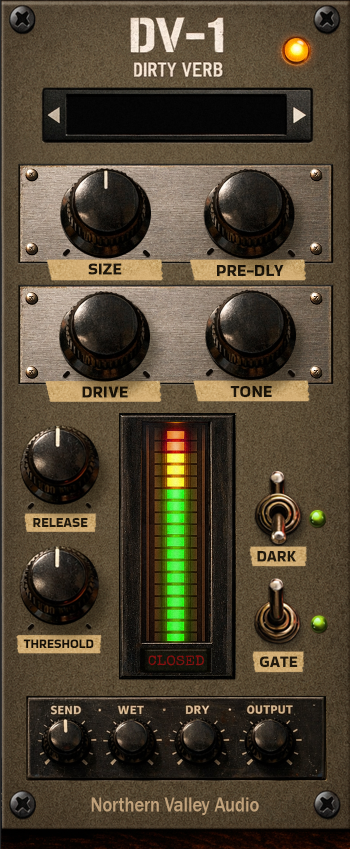
A gated dirty reverb plugin. Sidechain-chopped tail, post-reverb distortion on the wet path only, and lo-fi character. The reverb that knows when to shut up.
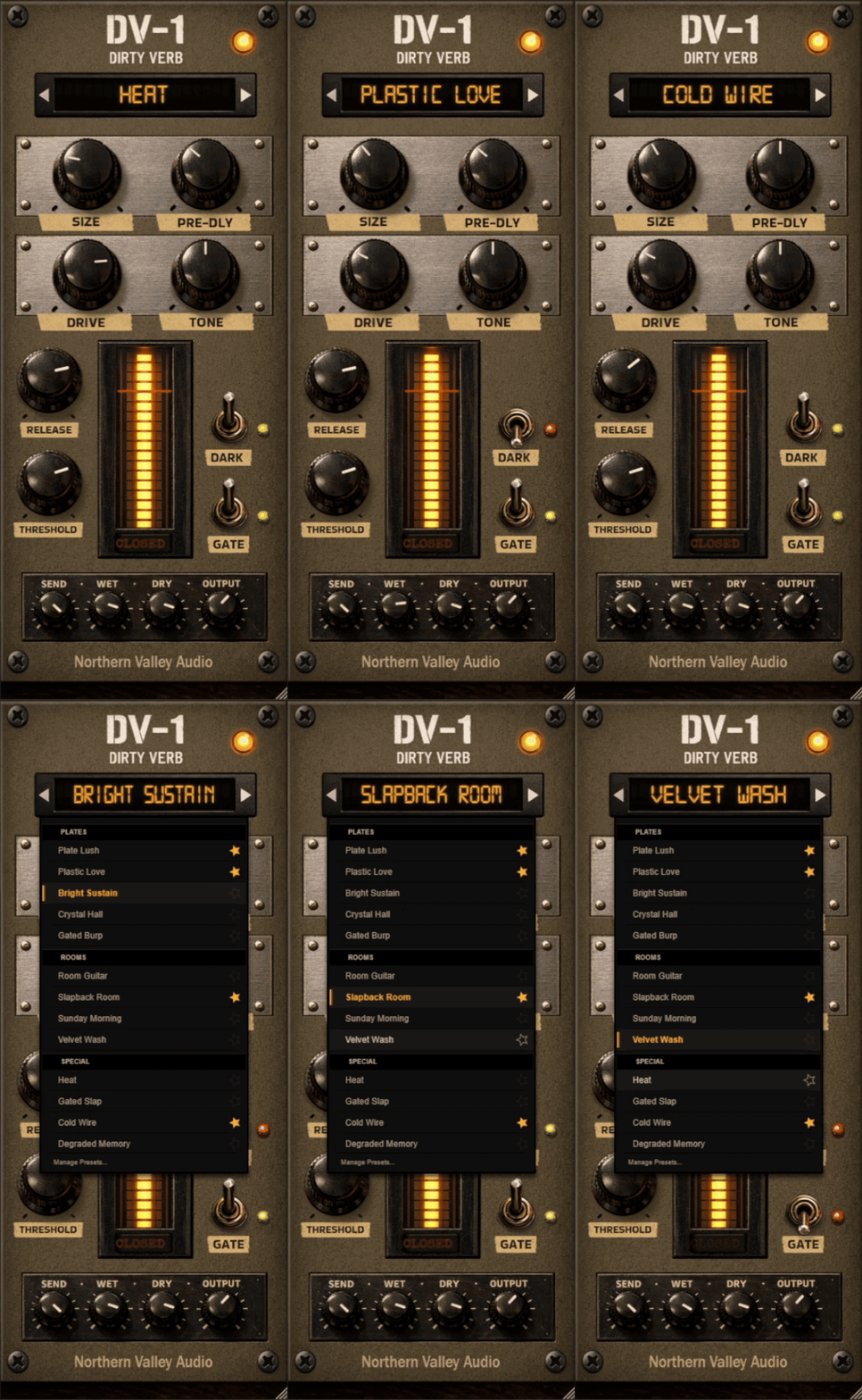
Reverb. Distortion on the wet only. Sidechain gate on the dry. Plus expression send.
Lifetime free updates.
Mac and Windows. VST3, AU, Standalone.
Most reverb plugins put distortion on the whole signal. DV-1 keeps the dry clean and only dirties the tail.
Short pre-delay before the reverb tail. Keeps the dry attack separate from the wet bloom.
Lo-fi digital reverb up to 6 seconds. Bright or dark voicing. Characterful, not transparent.
Subtle bit-depth and sample-rate reduction inside the reverb path. Vintage chip texture.
Asymmetric tanh soft-clip. Drive and Tone shape the dirt. Runs on the wet only, dry stays clean.
Envelope follower on the dry input mutes the tail when you stop playing. Sample-edit feel.
The reverb sound behind a lot of modern indie guitar records is not a single algorithm. It is a chain. A regular reverb does not get there on its own.
The first move is dirt. A clean digital reverb tail sits too politely in the mix. Drive on the wet only adds harmonic weight without smearing the source. The dry stays articulate, the tail gets thick.
The second move is timing. A reverb that rings forever loses musicality. Gating the tail to the player's envelope means the reverb blooms when you play and chops when you stop. The result reads as percussive rather than ambient. It locks to the groove instead of fighting it.
DV-1 wires these two moves together with a lo-fi character pass and an expression send that controls how much signal even enters the reverb. The whole thing fits behind a guitar or vocal without colonizing the mix.
The soft-clip stage runs on the reverb tail only. Your guitar, vocal, or drum hit stays clean while the tail gets dirty. Most reverb plugins cannot do this.
The gate listens to the dry input, not the reverb. When the player stops, the tail mutes. The result is a sample-edit, rhythmic reverb that conventional ambient plugins cannot fake.
One knob controls how much dry signal even enters the reverb. Swell it in for ambient passages. Pull it out for percussive sections. Works like an old expression pedal.
Optional bit-depth and sample-rate reduction inside the reverb path. Subtle by default. Vintage digital chip texture without sounding broken.
Two voicings cover both ends of the indie reverb spectrum. Bright for clean indie guitar and post-rock. Dark for smeared ambient and prayer-room tails.
Full mono and stereo support. Shows up on both mono and stereo tracks in Logic, Ableton, Studio One, Pro Tools, Reaper, FL Studio, and Cubase.
The Mk.gee-adjacent sound. Drive on the wet, gate on the dry, expression send pulled back. The reverb blooms behind every chord and chops the second you mute the strings. Try it on a clean Stratocaster through 4TRK.
The classic Phil Collins move. Crank size, set threshold so the gate triggers on every hit, dial release for that abrupt cutoff. Pair the bright mode with the wet-only distortion for the dirty version.
Long decay, dark mode, low threshold so the gate never closes. The expression send becomes a volume swell for fade-in pads. The lo-fi stage gives the tail that vintage digital sheen.
The sidechain gate keeps the reverb tail from washing over the next vocal phrase. Mix sits clean, words stay readable, and the reverb still tells you the singer is in a big room.
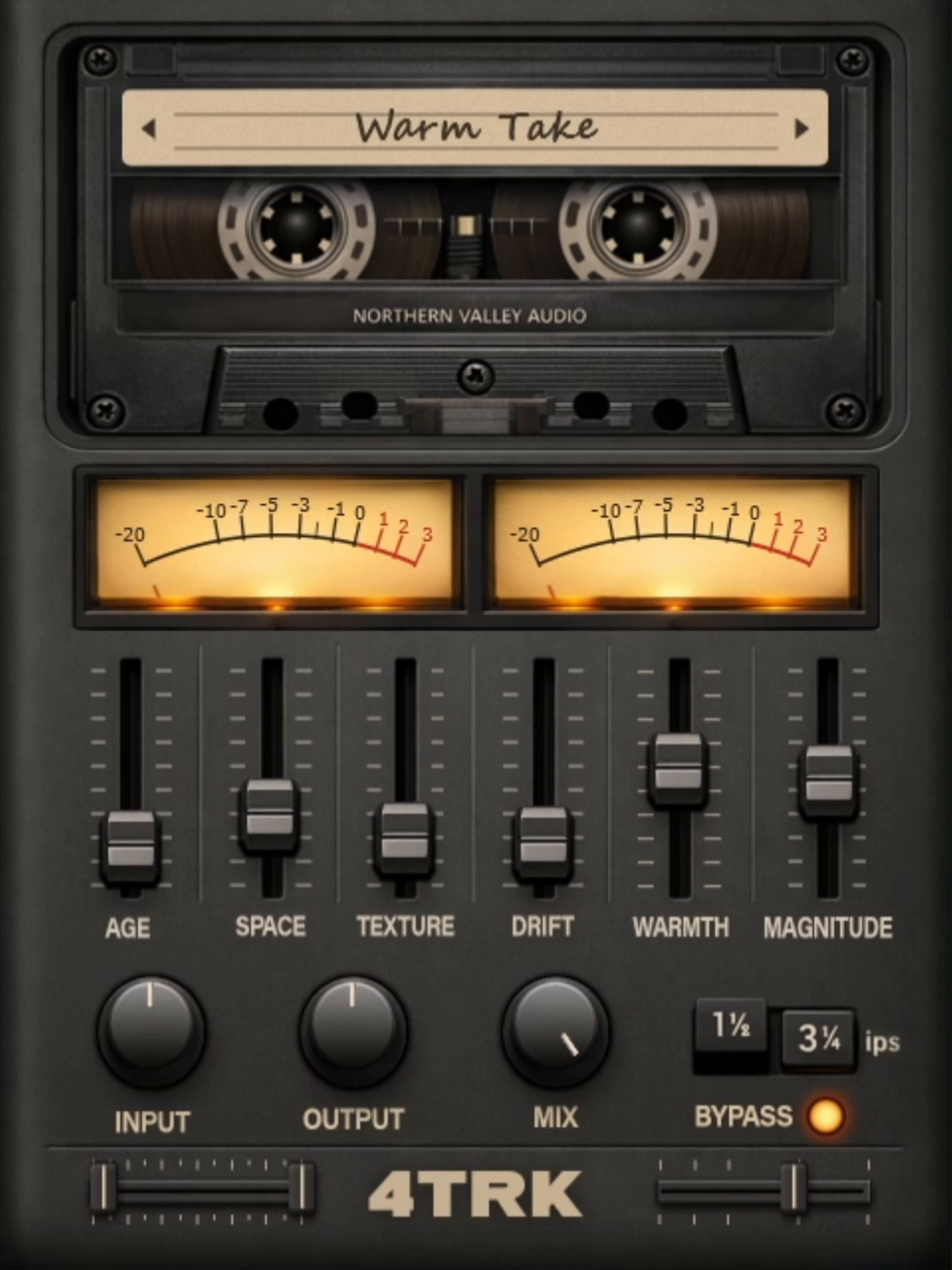
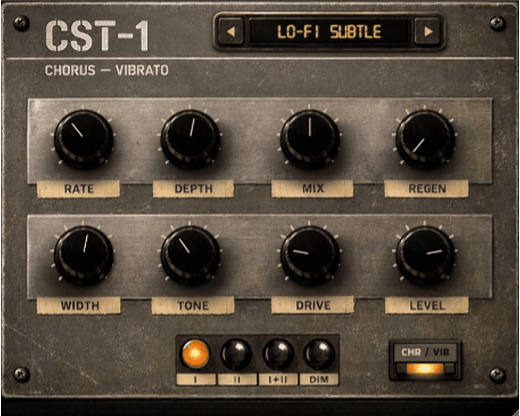
Pair DV-1 with 4TRK (lo-fi tape saturation) and CST-1 (vintage BBD chorus, vibrato, flanger). The three plugins recreate the saturation, modulation, and reverb stages behind modern indie guitar records.
$49 $39 launch week
$28 off retail ($67). Launch week, ends Sunday June 14. Lifetime free updates on all three.
$67 $49
Save $18 when bundled. Lifetime free updates on all three.
Gated reverb is a reverb whose tail gets cut off by an envelope, instead of decaying smoothly to silence. Classic 80s gated reverb (Phil Collins drums) cuts the tail at a fixed time. DV-1 uses a sidechain envelope follower on the dry input, so the tail mutes the instant the player stops playing. When you hit a note the reverb blooms. When you stop, it chops.
Three things. The distortion runs only on the wet reverb tail, not the dry signal, so your playing stays clean and only the tail gets dirty. The gate uses sidechain detection on the dry input, not the reverb tail, so timing follows the player perfectly. The lo-fi stage adds subtle bit-depth and sample-rate reduction inside the reverb path for vintage digital chip texture.
Yes. DV-1 was built around the gated, smeared, slightly broken reverb sound you hear on modern indie records. The signal flow pairs well with tape saturation (4TRK) and BBD modulation (CST-1) for full chain recreations of that style. Use the expression send to swell the reverb in and out, then let the gate chop the tail for rhythmic guitar parts.
Yes. The dry-signal-stays-clean design means DV-1 sits well on anything that needs a reverb tail without coloring the source. On vocals it gives a haunted, Mk.gee-adjacent sound. On drums it doubles as an 80s gated reverb. On synths the lo-fi stage adds chip-era texture. Both mono and stereo tracks are supported.
Yes. DV-1 ships as VST3 for Windows and VST3, AU, Standalone for Mac. Mac is a universal binary covering both Intel and Apple Silicon. Both platforms are available at launch.
Yes. Updates are free for everyone who buys DV-1. Our other plugins (Roomtone Amp Sim, 4TRK, CST-1) have shipped multiple post-launch updates with new presets, features, and DSP refinements. DV-1 follows the same model. There is no subscription and no upgrade fee.